






The Quiet Art of Tin: Why This Humble Metal Deserves a Second Look
Heritage & History | October 4, 2026
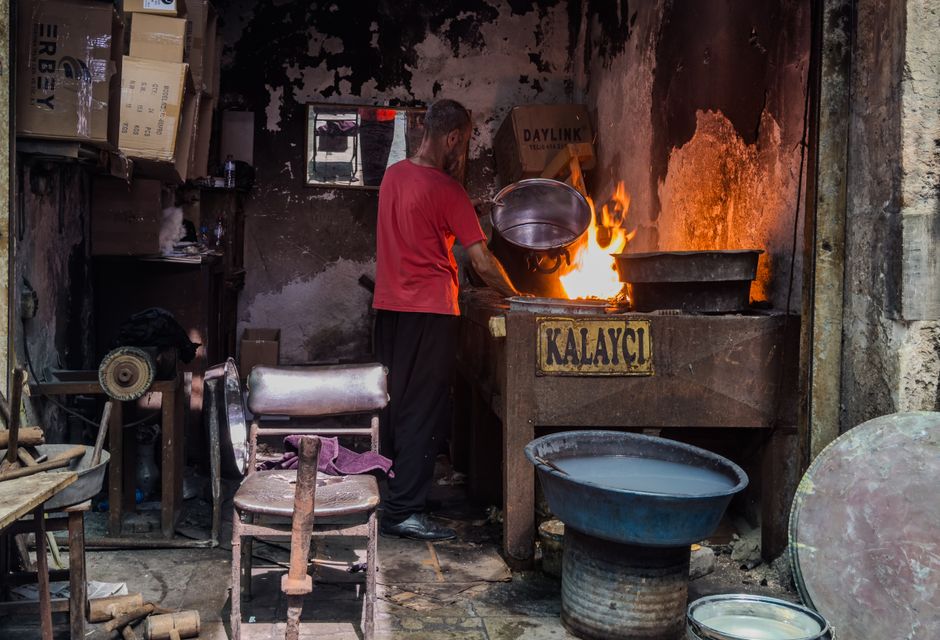
Tin rarely gets the spotlight. It doesn't have the flash of silver, the weight of lead, or the industrial swagger of steel. Yet for centuries, tin has been the quiet workhorse of the metal trades, shaping everything from pilgrim badges to everyday kitchenware. To work with tin is to join a lineage that stretches back through medieval guilds, colonial tinsmiths, and the traveling artisans who mended pots in exchange for a meal and a place to sleep.
What makes tin so appealing to a smith is its personality. It's soft enough to shape with hand tools, forgiving enough to learn on, and it polishes to a warm, moonlike sheen that never quite looks cold. It also has a low melting point, which means you can solder it, cast it, and form it without a full forge setup. That accessibility is part of why tin-smithing has survived as a handcraft while other metal trades faded into factories.
A Metal With Memory
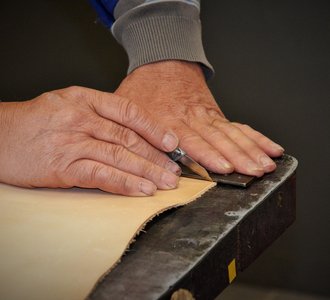
Old tinsmiths liked to say that tin remembers every hammer blow. Run your fingers across an antique tin lantern and you can feel the rhythm of the person who made it — small inconsistencies, slight waves in the surface, the faint ghost of a crease that was worked flat. These aren't flaws. They're signatures. A machine-stamped tin object is uniform; a hand-raised one carries the pulse of its maker.
That quality is why collectors and craftspeople keep coming back to tin. It's also why teaching tin-smithing matters. When you hand someone a sheet of tin, a pair of shears, and a wooden mallet, you're handing them a conversation with history. The techniques haven't changed much in two hundred years because they don't need to. The metal tells you what it wants if you listen.
Why It Still Matters
In an age of disposable goods, tin offers something rare: repairability. A dented tin cup can be tapped back into shape. A cracked seam can be re-soldered. A tarnished surface buffs up like new with a little patience and a soft cloth. There's a quiet satisfaction in owning something that gets better with care rather than worse with use.
If you've never held a piece of hand-worked tin, find one. Visit a craft fair, a historical village, or a local smith's open studio. Pick up a mug or a small box and feel the edges. You'll notice the slight unevenness, the soft glow, the way it warms in your palm. That's the hum of a metal that has been quietly holding its ground for a very long time — and it's worth learning to hear.
-
Why Tin Whistles, Cups, and Lanterns Still Matter in a Plastic World
Sep 23, 2026Tools & Techniques

-

-
Solder, Rivet, or Fold: Choosing the Right Joint for Your Tin Project
Sep 11, 2026Care & Restoration

-

-

-
Why Tin Whistles, Cups, and Lanterns Still Matter in a Plastic World
Aug 27, 2026History & Heritage


Tinsmith Tales

You don't need a full shop to start working tin — just a handful of well-chosen tools and a willingness to make a few wobbly first cuts.