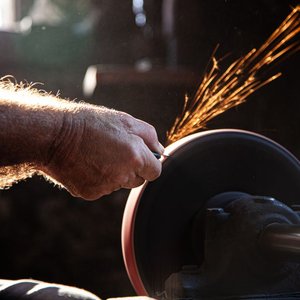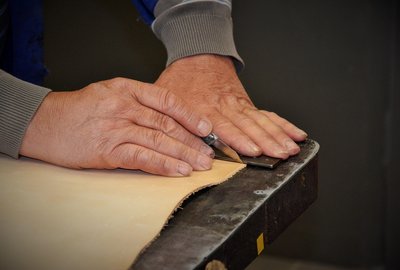








Hands That Remember: What Apprenticeship Taught Me About Slow Work
Artisan Stories | September 22, 2026
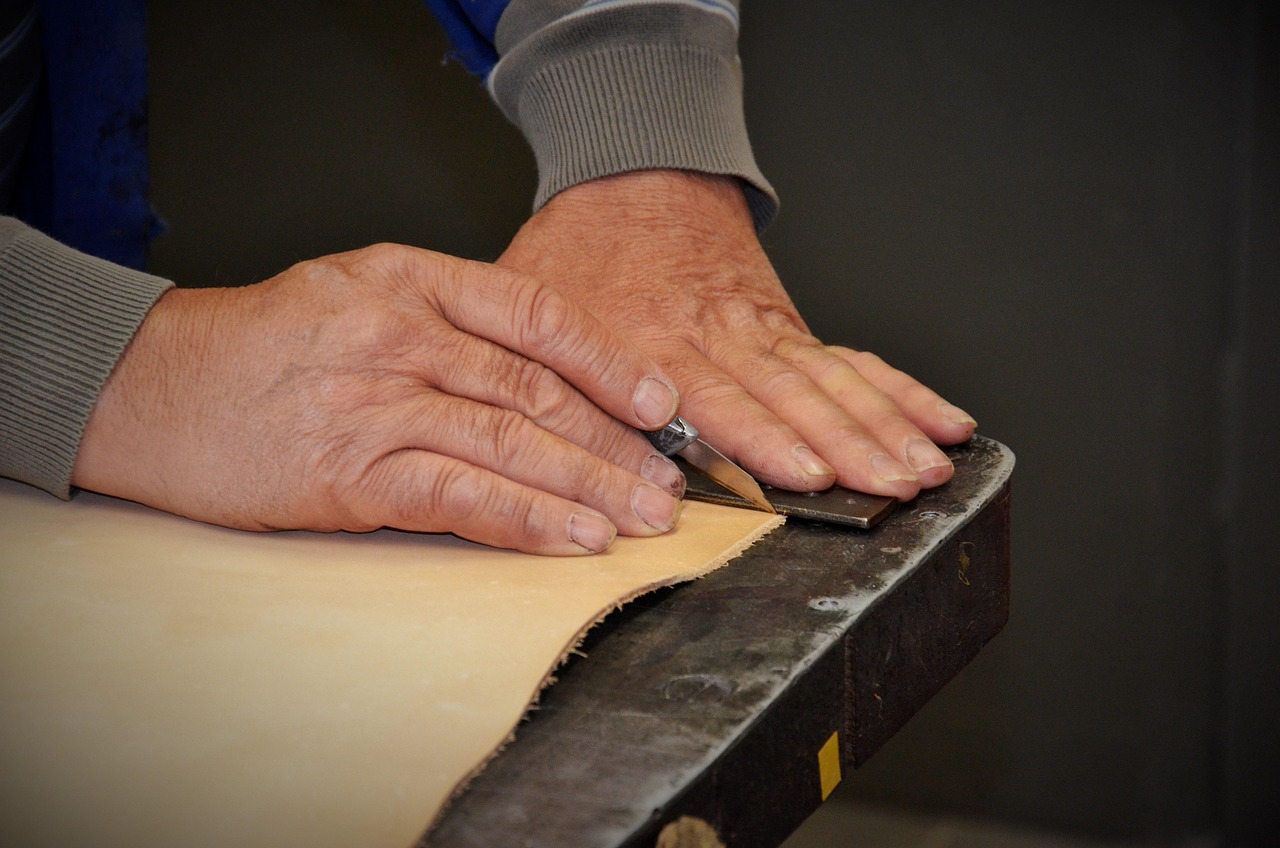
My first tin-smithing teacher was an old man named Harold who ran a small shop behind a hardware store. He had hands like worn leather and a habit of talking while he worked, as if the metal needed conversation to cooperate. I arrived expecting lessons. What I got, for the first three weeks, was scrap.
Harold handed me a sheet of tin and told me to cut it into squares. I did. He looked at the edges, shook his head, and handed me another sheet. This went on for days. I was frustrated. I wanted to make something. I wanted to hold up a finished piece and hear him say it was good.
Instead, he taught me to feel the snips. To notice when the metal resisted, when it wanted to curl, when the cut was drifting off line. He taught me to file edges until they were smooth enough to run a thumb along without thinking. None of this felt like progress. All of it was.
The Lesson of the Crooked Seam
My first real project was a simple folded box. I soldered the seam badly — too much heat, too much solder, a lumpy ridge that looked like a scar. Harold didn't tell me to redo it. He set it on the shelf next to his own work and said, "Come back in a year and look at it."
I did. By then I'd made dozens of boxes. The old one looked terrible. But I could also see exactly what I'd done wrong, and why, and how to fix it. Harold's point wasn't that mistakes are fine. It was that mistakes are information. A smith who never makes a crooked seam never learns to read one.
That philosophy runs against almost everything modern life teaches us. We're told to optimize, to iterate fast, to ship and move on. But tin work resists that pace. The metal cools at its own rate. The solder flows when it's ready. The hammer falls where it falls. You can't rush a seam without ruining it.
What Slow Work Gives Back
Years later, I run my own small shop. I still keep a shelf of my early pieces, including that crooked box. When new students come in wanting to make something impressive on day one, I hand them a sheet of tin and ask them to cut squares. Some of them get frustrated, just like I did. Most of them come back.
Because here's what Harold knew and what took me years to understand: the work isn't the object. The work is the attention. Every hour spent filing an edge is an hour spent learning to see. Every crooked seam is a conversation with your own hands. Tin, being soft, forgives almost everything — but it also records everything. It holds the memory of how you treated it.
That's the quiet gift of this craft. It slows you down until you can hear yourself think. And in a world that never stops shouting, that's a rare and precious thing.
-

-
Why Tin Whistles, Cups, and Lanterns Still Matter in a Plastic World
Sep 23, 2026History & Heritage

-


Tinsmith Tales

Every tin project lives or dies by its seams, and knowing when to solder, rivet, or fold is the quiet skill that separates a sturdy piece from a pretty but fragile one.